

Moving to Russia through the Shared Values Visa removes one of the biggest financial risks American families face: healthcare debt. The program is a legal path built around shared traditional values, and for Russians, family, children, and health come first.
This guide explains how the system works for visa holders: how to get state and private coverage, what care actually costs, and why a typical American family’s yearly healthcare bill in Russia is a small fraction of the US figure.
How Russian healthcare works
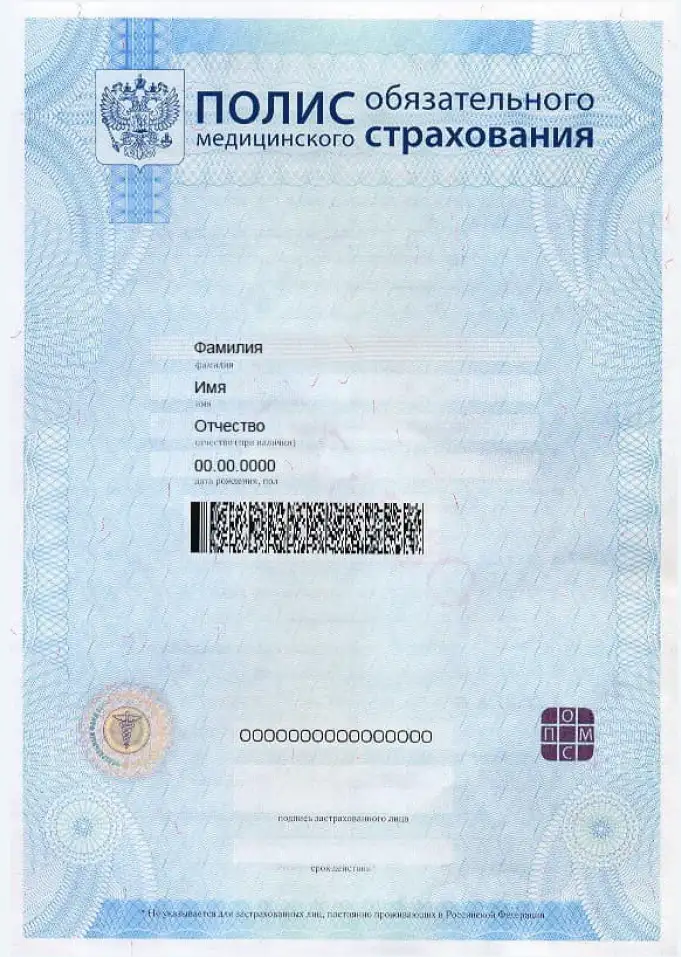
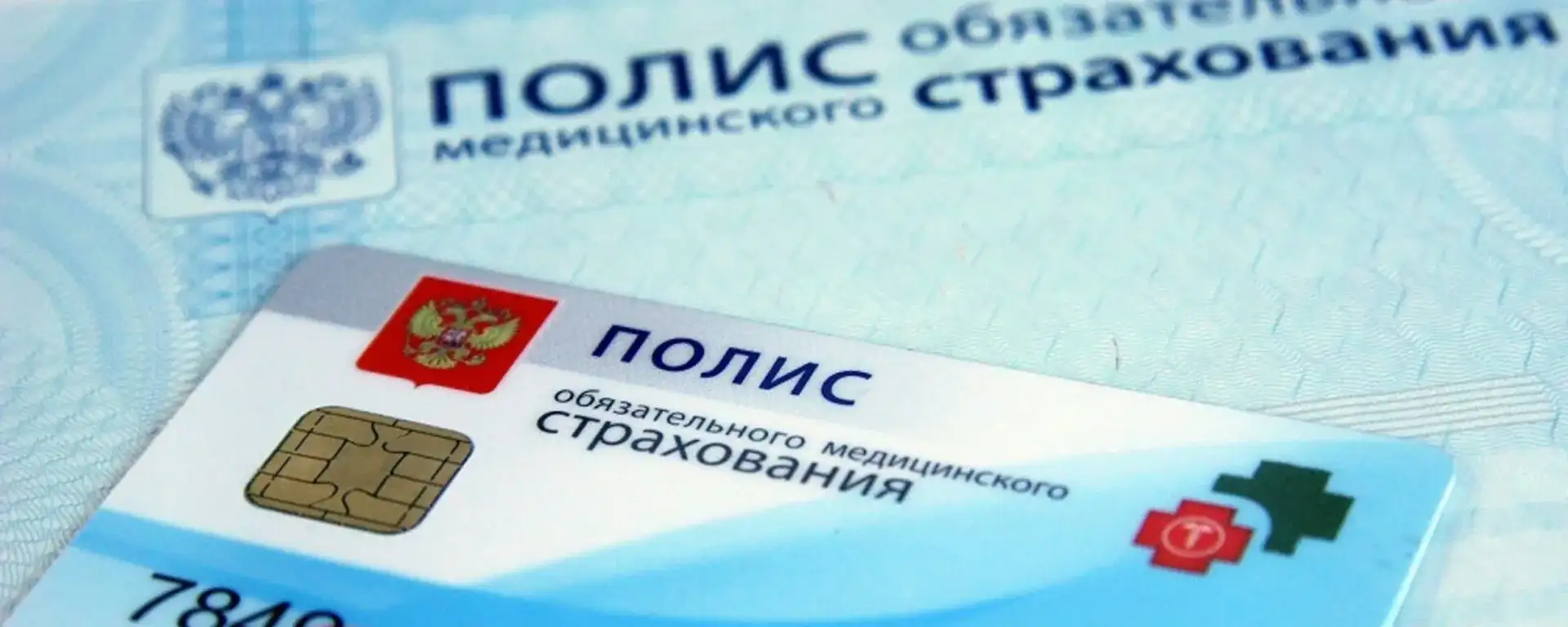
Russia runs a universal-coverage system. The backbone is compulsory health insurance (OMS, Obyazatelnoe Meditsinskoe Strakhovanie), paid through employer taxes and the federal budget. The US has no exact equivalent. The closest picture is a mix of Medicare, Medicaid, CHIP, and VA care, available to the whole population rather than to one age group or income band.
On top of that sits a private layer: voluntary health insurance (DMS, Dobrovolnoe Meditsinskoe Strakhovanie). It works much like a private US health plan.
OMS — state coverage
Basic healthcare is free to the holder. The state and employers pay for it. You become eligible with residency or a Russian employment contract.
DMS — private coverage
Optional plans for private clinics, shorter waits, English-speaking staff, and extra services such as dental care. You can buy a policy yourself, or an employer can offer one.
In short, basic healthcare is free.
Healthcare while you wait for a temporary residence permit
Between arrival and approval of your temporary residence permit, public coverage has not started. You still have three ways to get care.
Emergency care
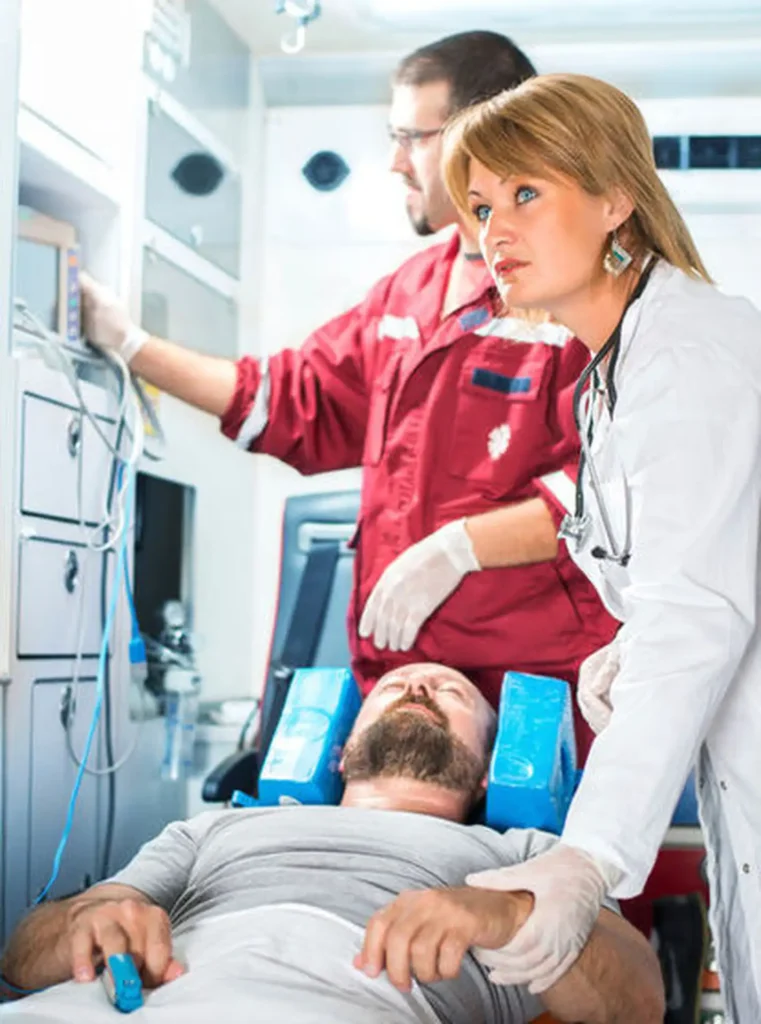
Free for everyone. Russian law requires emergency care regardless of immigration status, citizenship, or insurance. If something life-threatening happens, an ambulance comes and the hospital admits you.
A private policy
You can buy a plan from an insurer with your passport. Residency is not required. A policy for one person is about 10,000–30,000 rubles ($130–$400) a year.
Pay per visit
Most private clinics, and many state ones, accept walk-ins in a paid department with no policy. Prices are still a fraction of US fees, but visits add up. For more than a few months, a private policy is the better buy.
What most families do. For the first two or three months, while residency is pending, they combine a private policy with a few out-of-pocket visits. Once public coverage starts, they use the state program and add a mid-tier private plan on top.
How fast can you get medical care in Russia?
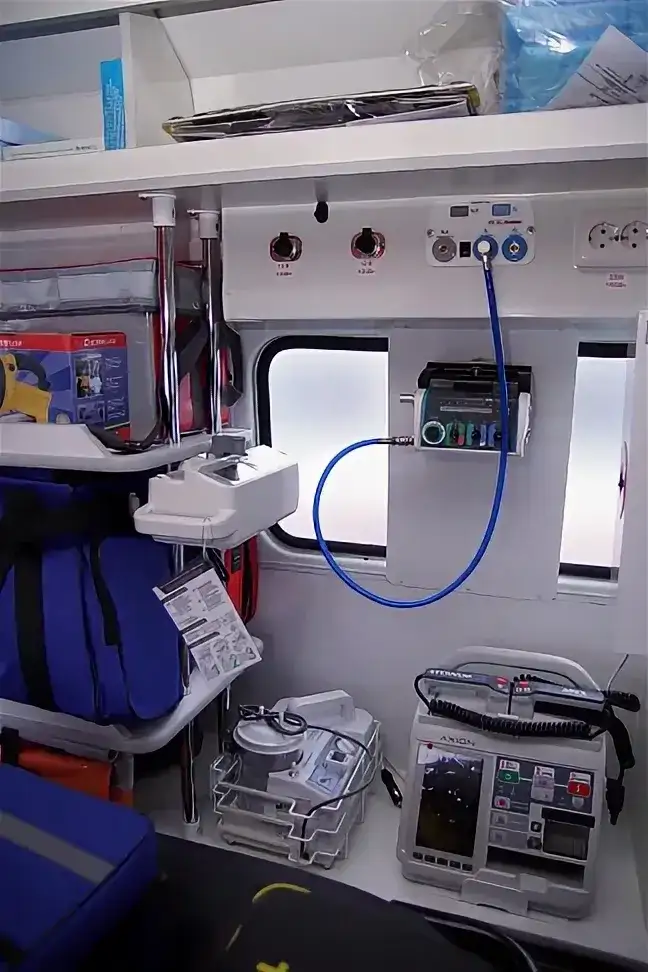
Scheduled care, diagnostics, and ambulances are faster than most Americans expect. In cardiac surgery, oncology, and trauma medicine, leading Russian centers match or exceed American standards.
1–2 days
A doctor’s appointment or a home visit. Urgent cases can be turned around in a few hours. Similar care in the US often takes weeks.
About 12 minutes
Average ambulance arrival in Moscow, according to the city’s emergency medical station. In New York City the average wait is about 20 minutes.
Within an hour
CT, MRI, or a full lab panel at leading private clinics in Moscow, without a long queue. A remote radiology read is usually ready within 72 hours.
Even at major federal oncology centers that take patients from across the country, specialists review telemedicine requests within five working days, at no charge. In the US, scheduling an MRI or a specialist visit can take weeks, and insurer approval adds more delay.
What medical care costs in the US and in Russia
The price gap is one of the clearest financial reasons Americans relocate. The 2025 Milliman Medical Index, the 20th edition of that benchmark, puts total annual healthcare spending for a typical American family of four at about $35,000. That is the employer share, the employee share of employer-sponsored insurance, and the family’s out-of-pocket costs combined.
About $35,000 a year
Typical US family of four, 2025 Milliman Medical Index.
A small fraction of that
A similar family in Russia on state coverage plus a mid-tier private plan.
Currency. Ruble amounts in this guide are converted at the Central Bank of Russia’s April 2026 reference rate of about 77 rubles to the dollar.
State coverage pays for most scheduled and emergency care. Private insurance and fee-for-service are for a private clinic, faster diagnostics, or a procedure outside the basic plan.
Even a fully private year in Russia rarely costs more than one month of premiums for an American family of four.
| Service | US, uninsured | Russia, private pay | US, insured cost-share | Russia, OMS |
|---|---|---|---|---|
| Primary care visit | $100–$400 | $26–$55 (2,000–4,300 RUB) | $25–$60 | Free |
| Abdominal ultrasound | $250–$700 | $25–$55 (2,000–4,500 RUB) | $40–$150 | Free |
| MRI, one area | $650–$2,500 | $50–$320 (3,900–24,000 RUB) | $100–$500 | Free with a referral |
| Appendectomy | $10,000–$35,000 | $1,040–$3,250 (80,000–250,000 RUB) | $1,500–$5,000 | Free |
| Childbirth, no complications | $14,000–$26,000 | $970–$3,900 (75,000–300,000 RUB) | $2,500–$5,000 | Free |
| Fracture and casting | $1,500–$5,000 | $130–$390 (10,000–30,000 RUB) | $250–$1,000 | Free |
| Cavity filling | $100–$600 | $40–$155 (3,000–12,000 RUB) | $50–$200 | Free |
Russian acronyms: OMS, DMS, SNILS, and MFC
These four names show up on every form and in every conversation about healthcare. Learn them once and the rest of the process is easier to follow.
| Short name | Russian name | What it is |
|---|---|---|
| OMS | Obyazatelnoe Meditsinskoe Strakhovanie | Compulsory state health insurance |
| DMS | Dobrovolnoe Meditsinskoe Strakhovanie | Voluntary private health insurance |
| SNILS | Strakhovoy Nomer Individualnogo Litsevogo Scheta | Personal social-security account number |
| MFC | Mnogofunktsionalnyy Tsentr | Office for most government paperwork |
| RVP | Razreshenie na vremennoe prozhivanie | Temporary residence permit |
Compulsory health insurance (OMS)
This is Russia’s universal public program. It is closer to Medicare than to an employer plan, except it covers everyone who is eligible, not only retirees.
The package includes primary care, specialist visits, labs, imaging (ultrasound, MRI, and CT with a referral), scheduled and emergency hospital care, most surgeries, childbirth, and annual checkups. The policy is free to the holder.

Americans qualify in one of two ways: residency through the Shared Values Visa or the Golden Visa, or a signed employment contract.
Voluntary health insurance (DMS)
A DMS policy opens private clinics with little or no waiting, a wider set of procedures, a primary-care doctor, English-speaking staff, and dental options. Buy it yourself, or take it as an employee benefit.
Typical annual premiums for one adult:
| Plan | Per year |
|---|---|
| Entry-level | 15,000–25,000 RUB ($200–$330) |
| Mid-tier | 30,000–60,000 RUB ($400–$800) |
| Premium | 80,000–150,000 RUB ($1,000–$2,000), and higher |
Social security number (SNILS)
SNILS is the number the pension and social systems use to identify you. A US Social Security number does not transfer. You need a Russian one for compulsory health insurance, a job, taxes, and almost any government service. Get it in the first few weeks.
Multi-functional center (MFC)
This is where most government paperwork is filed: state health coverage, SNILS, a tax ID, address registration, and many other official documents.
When you need private insurance
The state program does not cover everything. Budget for these gaps:
- Cosmetic surgery and aesthetic procedures without a medical reason.
- Some dental work, including prosthetics, implants, and orthodontics.
- Service upgrades, such as a private hospital room or an English-speaking physician on request.
- Newer medications and treatment protocols that are not yet in federal clinical guidelines.
- Alternative medicine, and some diagnostic tests without a clear clinical reason.
Common mistakes when setting up healthcare
- Assuming public coverage starts the day you land. It does not. You have to apply.
- Arriving with no private cover for the bridge period. State care is not available until you have residency.
- Choosing an insurer from an advertisement. Look for a Central Bank of Russia license, a financial rating of A− or higher, real customer reviews, and a solid record of paying claims.
- Skipping registration at a health center (polyclinic) after the policy arrives. Without it you can use emergency care only. Scheduled appointments stay closed.
Frequently asked questions
Can I get compulsory health insurance right after landing?
No. A tourist is not enrolled in OMS on arrival. Arrange a private policy before you travel if you want cover for routine care.
Foreign nationals qualify for compulsory health insurance when they:
- hold temporary or permanent residence;
- are temporarily present and have a Russian labor contract;
- are citizens of the Eurasian Economic Union;
- are recognized refugees.
A Shared Values Visa holder qualifies after the temporary residence permit (RVP) is issued, or after signing an employment contract. Until then, a private policy or pay-per-visit covers routine care. Emergency care is free for everyone.
Does my US health insurance work in Russia?
Most US policies do not pay for doctor visits or planned treatment abroad. Travel insurance is different: it covers emergencies, and only for a short trip. If you are moving, use Russian coverage — OMS, DMS, or both.
Can I keep my US doctor remotely?
Yes. Telehealth with your American doctor still works. Russian pharmacies will not fill a US prescription, and Russian labs will not run a US lab order. Use a Russian primary-care doctor for day-to-day care, and keep the US doctor for a second opinion when something serious comes up.
Do I need vaccines or a medical exam for a temporary residence permit?
Yes. The mandatory exam includes a chest X-ray, tests for HIV, syphilis, tuberculosis, and leprosy, and a substance-abuse evaluation. It is done at an accredited clinic, takes one or two days, and the certificate is valid for a year. The full checklist is in the Move to Russia guide.
What if I need emergency care before I have a policy?
Emergency care is free for everyone in Russia. That is written into the law: no policy, no citizenship check. Scheduled care before you are insured is simply billed by the clinic.
Can I claim a tax deduction for private insurance premiums?
Yes. If you pay Russian personal income tax, you can reclaim 13% of DMS premiums. From 2024 the deduction base is capped at 150,000 rubles ($2,000), so the most you can get back in a year is 19,500 rubles ($260). Claim it with the Federal Tax Service on the annual personal income tax return.
The bottom line
Once you have temporary residence, Russian healthcare gives American families two concrete advantages:
- Free basic healthcare.
- An affordable private sector for upgrades: private clinics, English-speaking doctors, and dental care.
Public coverage is not automatic on the visa. It starts with the temporary residence permit or an employment contract. If you stay in Russia while you wait for a decision, buy a private plan for that gap.
The practical sequence is: apply for the Shared Values Visa with Move to Russia, and after the temporary residence permit is approved, enroll in OMS and register at a local health center.