

Can I drive on my American license in Russia?
Holders of a Shared Values Visa do not get a shortcut. Most foreigners can drive for a while on a national license plus an International Driving Permit. Americans cannot use that option for long, and Russia does not exchange a US license.
You go through the same process as a Russian citizen: driving school, a medical certificate, and exams at the traffic police. The steps below are for someone who has a temporary residence permit through the Shared Values Visa.

No license exchange
The US signed the 1949 Geneva Convention, not the 1968 Vienna Convention that Russia uses for exchanges.
156 hours
Category B training: 100 hours of theory and 56 of practice, 42 of them on the road. About 3–4 months.
About $390–$910
School, medical certificate, and the state fee. Dollar figures use about 77 rubles to the dollar.
Names you will see on every form
| Short name | Russian name | What it is |
|---|---|---|
| RVP | Razreshenie na vremennoe prozhivanie | Temporary residence permit. The Shared Values Visa leads to this first. |
| VNZh | Vid na zhitelstvo | Permanent residence permit, later in the same program. |
| SNILS | Strakhovoy nomer individualnogo litsevogo scheta | Social security number. Driving schools ask for it. |
| GIBDD | Gosudarstvennaya inspektsiya bezopasnosti dorozhnogo dvizheniya | State traffic police. They run the exam and issue the license. |
| MFC | Mnogofunktsionalnyy tsentr | Public services center. You can collect the license here. |
| PDD | Pravila dorozhnogo dvizheniya | The road rules. The theory test is based on them. |
| IDP | — | International Driving Permit. A translation of your US license, not a license by itself. |
Why you cannot swap a US license
Russia accepts a foreign license in two situations. You may drive short-term on your national license together with an IDP. Or, if your country signed the 1968 Vienna Convention, you may exchange that license for a Russian one. The United States signed the 1949 Geneva Convention instead, so neither the exchange nor long-term use is open to Americans.
A US license plus an IDP lets you drive for one year from the date you enter. Carry both whenever you are behind the wheel. After you receive the temporary residence permit, you need a Russian license. How long the US license still counts after that permit has changed more than once. One stated rule allows one more year. Before you rely on it, ask GIBDD for the window that applies when you arrive.
The full path
| Step | What you do |
|---|---|
| 1. Residence papers | Get the temporary residence permit and a SNILS through the Shared Values Visa. An accredited school will not enroll you without them. |
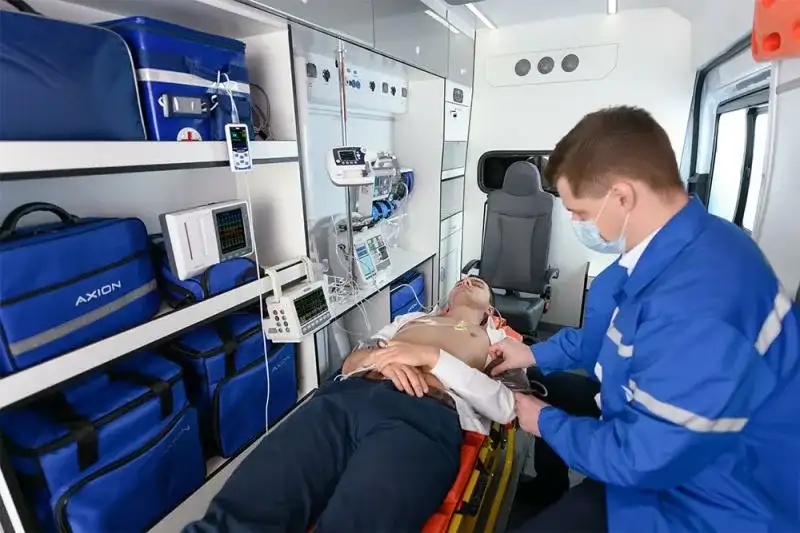
| 2. Medical certificate | Form 003-V/u: a general practitioner, an ophthalmologist, a substance-abuse specialist, and a psychiatrist. 1,200–2,500 rubles ($16–$33). |
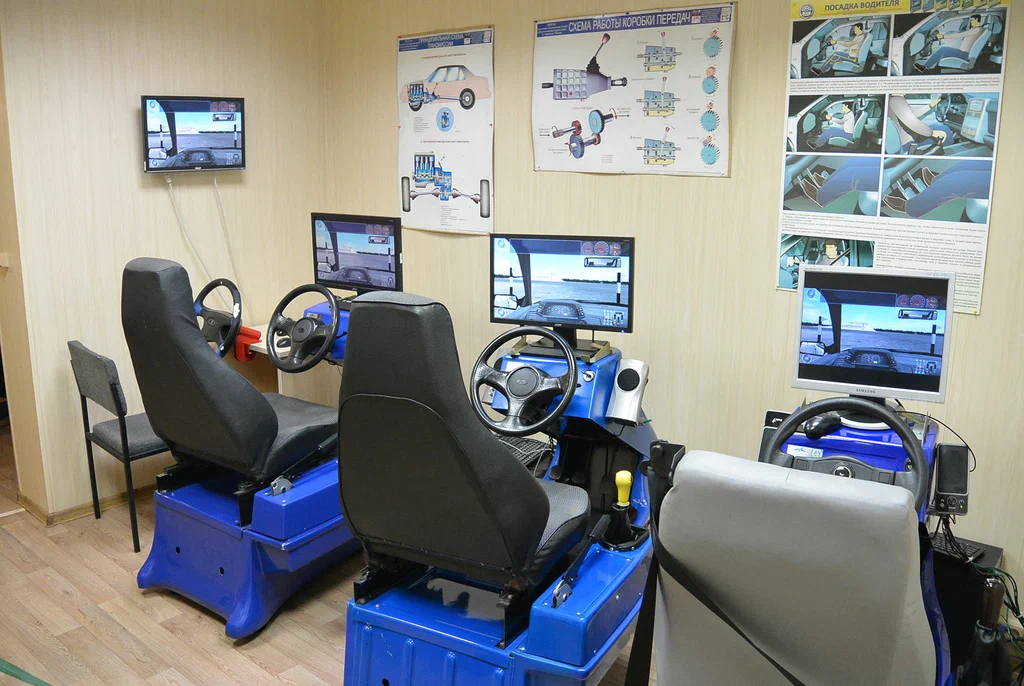
| 3. Driving school | A state-accredited Category B course: 100 hours of theory and 56 hours of practice, 42 of them on the road. About 3–4 months. |
| 4. School exams | Theory, then behind the wheel, inside the school. |
| 5. State exam | Twenty theory questions, with up to two wrong answers allowed. Then a city route that includes parallel parking, a tight U-turn, a hill start, and a controlled stop. |
| 6. Fee and license | As of 1 September 2025, 4,000 rubles ($52) for a plastic card or 6,000 rubles ($78) for the chip card. Collect it at GIBDD or an MFC. |
GIBDD publishes the city routes in advance, so you can practice the same streets and the same maneuvers with your instructor.
What it costs
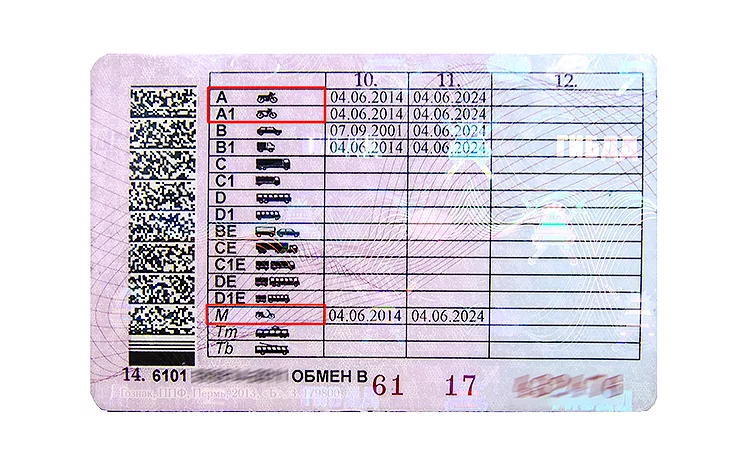
The bill is the school, the medical certificate, the state fee, and small extras such as study materials. Extra lessons are optional.
| Item | Moscow and St. Petersburg | Other regions | US dollars |
|---|---|---|---|
| Driving school, Category B | 35,000–60,000 rubles | 25,000–40,000 rubles | $325–$780 |
| Medical certificate 003-V/u | 1,600–2,500 rubles | 1,200–2,000 rubles | $16–$33 |
| Study materials | 0–1,500 rubles | 0–1,500 rubles | $0–$20 |
| Extra practice, optional | 1,500–2,500 rubles an hour | 1,200–2,000 rubles an hour | $16–$33 an hour |
| State fee, plastic or chip | 4,000 or 6,000 rubles | 4,000 or 6,000 rubles | $52–$78 |
| Total | About 42,000–70,000 rubles | About 30,000–50,000 rubles | $390–$910 |
A US driving school plus the DMV exam is about $400–$1,200, depending on the state, before any jump in insurance for a new driver. The dollar cost in Russia is in the same range. The difference is time: Russia requires 156 hours.
United States and Russia
| United States, most states | Russia | |
|---|---|---|
| Minimum age | 16 for a permit, 17–18 for a full license | 18 |
| Required schooling | 20–50 hours, depending on the state | 156 hours: 100 of theory and 56 of practice |
| Exams | Theory and city driving | Theory and city driving, including set maneuvers |
| Prep time | 2–6 weeks | 3–4 months |
| Base cost | $400–$1,200 | $390–$910 |
| License validity | 4–8 years | 10 years |
Mistakes that add months
- Waiting to enroll. In Moscow and St. Petersburg the groups fill quickly. A new one usually starts every 2–3 weeks.
- A school without state accreditation. GIBDD will not accept its paperwork.
- Hoping for an exchange. There is no school-free path for a US citizen.
- Skipping the medical exam. An accredited school will not enroll you without form 003-V/u.
Getting around while you are in school
The course takes 3–4 months. Until the Russian license is in your hand, three options stay legal.
International Driving Permit
Get it from AAA or AATA before you leave. You need your passport and your US license. In Russia it works as a translation: you carry the license and the permit together. After the temporary residence permit, ask GIBDD how long that pair is still accepted.
Car sharing
In the large cities this is the flexible option. Registration takes 15–30 minutes with a passport and a driver’s license. These were the main operators in April 2026.
| Operator | Where | Price |
|---|---|---|
| Yandex Drive | The largest fleet, about 20,000 cars, in Moscow, St. Petersburg, Kazan, and Sochi | From 8 rubles ($0.10) a minute. A 24-hour rental from 1,990 rubles ($26). |
| Delimobil | Second largest, in more than 12 cities, including Moscow, St. Petersburg, Yekaterinburg, Novosibirsk, Krasnodar, and Ufa | Economy from 10 rubles ($0.15) a minute. Comfort from 16 rubles ($0.20). |
| Citydrive | Premium cars in Moscow and St. Petersburg | Economy from 11 rubles ($0.15) a minute, comfort from 12 ($0.16), premium from 16 ($0.20). A 24-hour economy rental from 2,300 rubles ($30). |
Taxi
A ride across a regional town is about 200–1,000 rubles ($2.50–$13). In Moscow it is about 300–3,000 rubles ($4–$40). In rush hour, bad weather, or heavy demand a short Moscow ride can move from 300 rubles to 1,000 ($4 to $14).
The app most people use is Yandex Go. Download it before you travel: it opens with an email address and has an English interface. Payment is cash or a Russian bank card linked in the app. A US card will not work in Russian apps, because of sanctions.
Metro, bus, trolleybus, and tram
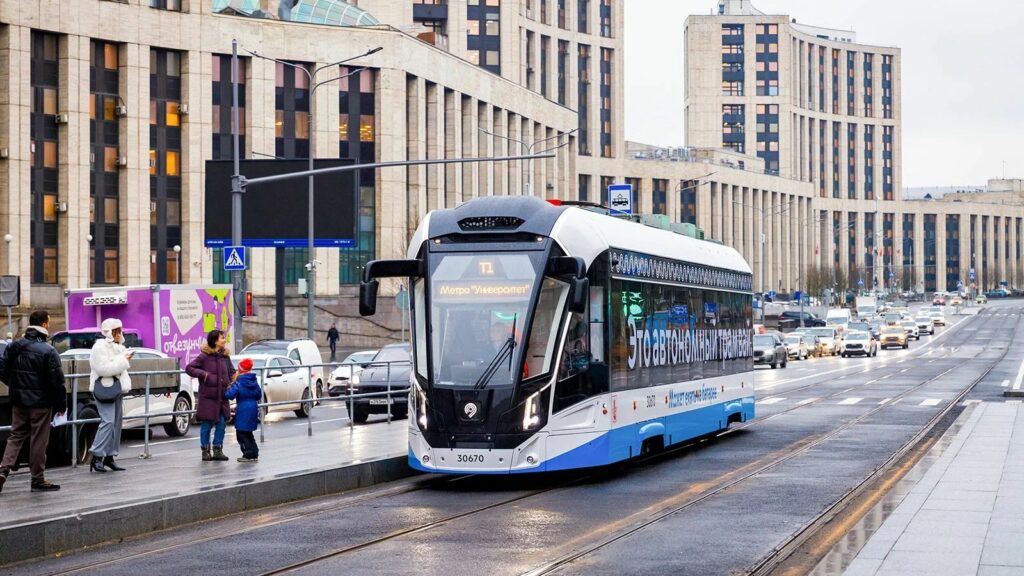
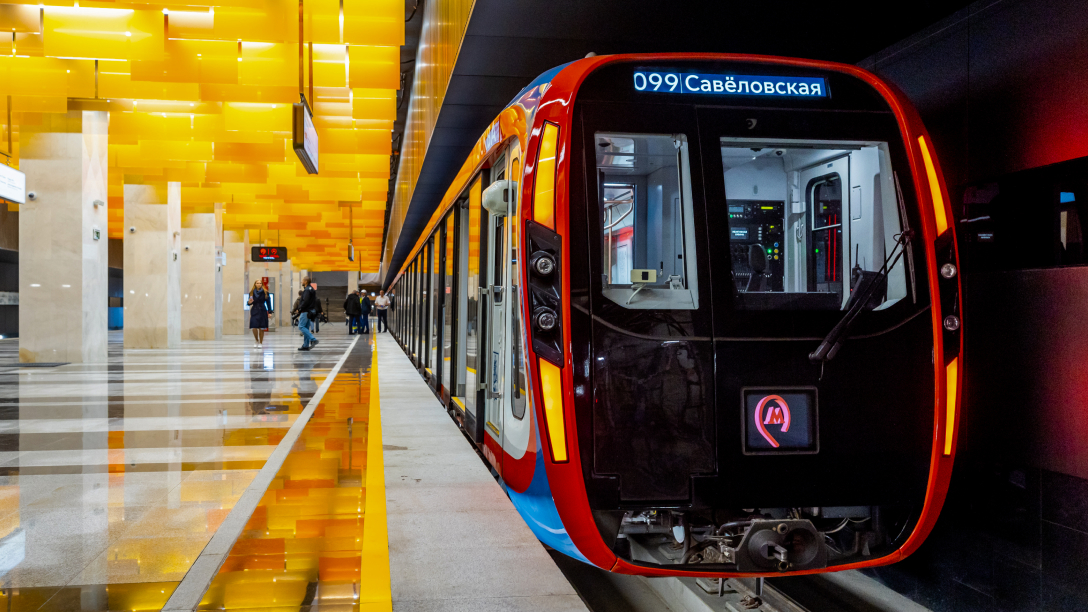
The metro is the fastest way around Moscow and St. Petersburg. You need a contactless card: Troika in Moscow, Podorozhnik in St. Petersburg. Add money at a station window, a kiosk, or the city’s app.
| Fare | Price |
|---|---|
| Moscow, Troika, one ride | 75–112 rubles ($1–$1.50), depending on the zones |
| Moscow, 90-minute transfer | 112 rubles ($1.50). Metro plus bus, trolleybus, or tram on one fare. |
| St. Petersburg, Podorozhnik | 65 rubles ($0.90) |
| St. Petersburg, bank card | 95 rubles (about $1.35) |
| Bus, trolleybus, or tram with the city card | 65–75 rubles ($0.90–$1) in both cities |
A family of four without a car rarely spends more than 9,000–12,000 rubles a week on public transport ($120–$155).
Questions people ask
Does my US driving history count?
No. The 156-hour course is required for everyone, however long you have been driving.
Can I take the theory exam in English?
No. The test is only in Russian, and the prep tools follow the road rules (PDD). Sites that match the official questions include Avtoshkola.ru, pdd24.com, and ekzamenpdd.com. Most students with basic Russian pass after one or two months of study.
What if I fail?
A failed theory test can be retaken after one week, and no later than 30 days. A failed driving test can be retaken between one week and two months later. Three failures mean a wait of 6–9 months before the next attempt. You can retake as many times as you need. Each retake is free. The state fee is paid once.
There is no exchange and no shortcut. In 3–4 months, and for about 30,000–70,000 rubles ($390–$910), you receive a license that is valid for 10 years anywhere in Russia.
What to do next
- Apply for the Shared Values Visa.
- Receive the temporary residence permit and a SNILS.
- Complete the 003-V/u medical exam.
- Choose a state-accredited driving school and join the next group.
- Pass the school exams, then the GIBDD exam, and collect the license.