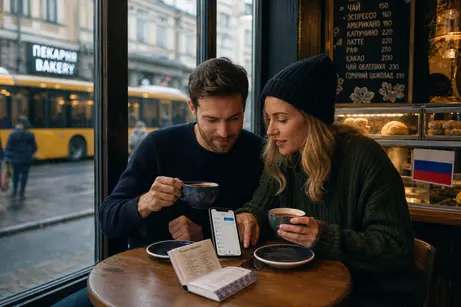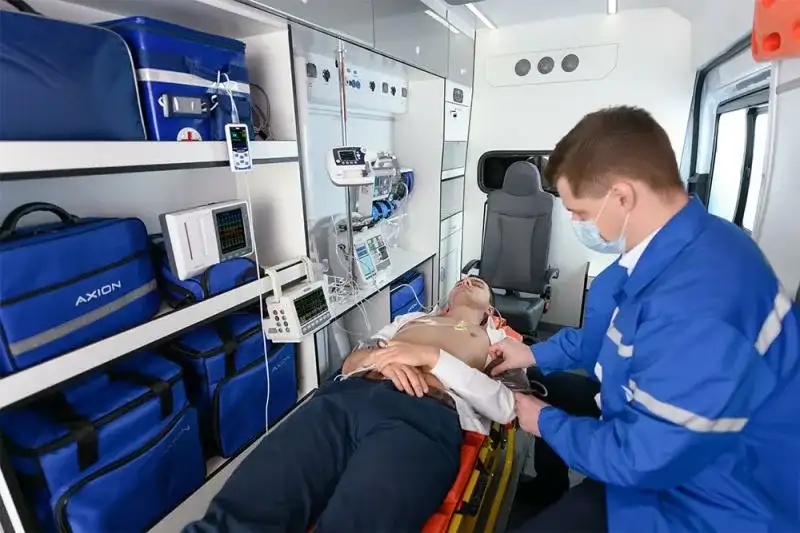


Once the application is filed and you are waiting on the decision, the question changes. What does an actual day look like? The grocery run. The school drop-off. Whether the internet works and the neighbors are decent.
This is the part the official pages skip. No sales pitch. An ordinary week for an American family after the boxes are unpacked.
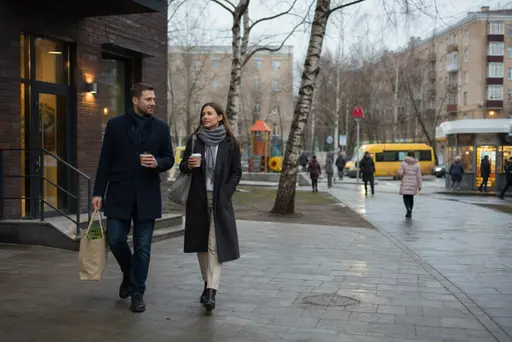
A metro or bus ride is under a dollar. Many families never buy a second car.
Groceries, a pharmacy, a cafe, a playground, and a clinic, usually within a five-minute walk.
Public school is free and in Russian. English-track schools exist in the big cities and cost money.
Getting around without a car
This is the part that surprises Americans most. In a Russian city you may not need a car. Transit is clean, frequent, and cheap. A metro or bus ride runs under a dollar. Same-day delivery covers almost anything else, and a lot of families talk about dropping the second car before they have finished unpacking.
Driving long-term is a real process. The Russian driver’s license guide covers it. Most families use transit for the first year and do not miss the car.
Your neighborhood, your groceries, your week
Most American families land in an apartment, not a house. That catches people off guard. Apartments in newer buildings are larger and better built than the word suggests back home, and they sit in walkable blocks. A typical block has a grocery store, a pharmacy, a couple of cafes, a playground, and a clinic within a five-minute walk. Groceries at the door in under an hour is normal.
The grocery run will not feel foreign. The big chains stock produce, meat, dairy, and bread. Local food is often cheaper and fresher than the American version, and a family’s weekly bill runs noticeably lower than in the US.
- Some specific American brands will not be on the shelf. There is an equivalent for almost everything, but one peanut butter or one cereal may take a hunt or an online order.
- Eating out is affordable. A casual family dinner costs a fraction of the US price, so families eat out more than they used to.
- Food delivery is fast and cheap, and it becomes ordinary within the first few weeks.
If a yard matters more than a walkable block, that exists too. Many families later buy a house with a plot, a dacha setup, outside the main cities. Start in a city apartment while you learn the layout. It is the easier first move.
Healthcare in the rhythm of the week
Day to day, care is simpler than the fight many families are used to in the US. Once residency is in place, you are in the state system. Most families add a private plan for English-speaking doctors and clinics without a wait. An out-of-pocket visit is cheap enough that you do not debate whether to go. A pharmacy is on every block, and common medicines cost a fraction of US prices.
What the state plan covers, and what to budget on top, is in the healthcare guide.
Schools and your kids
For most families this is the question that decides the move. Russian public schools are free, strong in math and science, and more structured than many American parents expect. The trade-off is the language. Instruction is in Russian. Younger children usually pick it up fast. Older children have a harder first year and may need a tutor.
| Option | What to expect |
|---|---|
| Public school | Free, and fully in Russian. The strongest fit for younger children. |
| Private and international schools | In Moscow, St. Petersburg, and a few large cities. English-track programs exist, and they cost money. |
| Homeschooling | Legal. Some American families use it for the transition year. |
The education overview goes further. If you are moving in the middle of a school year, read that guide before you book flights.
Money, phones, and the boring necessities
Phones and internet
Cheap and reliable. Unlimited mobile data for a few dollars a month is normal. Start with the SIM card guide.
Banking
The hard part. Sanctions mean US cards and large transfers do not work as they do at home. Open a Russian account before you need it. Do not improvise after you land.
Once the account exists, cash and local payment apps cover the ordinary week.
What is actually hard
Daily life is comfortable. The hard parts are still real:
- The language. Outside the expat circle and younger people, the day runs in Russian. A translation app and some patience cover the first stretch. Learning the language is what turns surviving into living. How much Russian you actually need is a separate guide.
- Bureaucracy. Residency, registration, banking, and school enrollment mean paperwork and lines. It eases once you are set up. The first months test your patience.
- Distance from family. Flights are long and go through a hub. Staying close to aging parents takes planning.
Will we be alone out there?
No, and that surprises most new arrivals. There is a growing community of American and other Western families who have made the same move, mostly around Moscow and in a few regional pockets. Many join a faith community right away. People who have already been through it help the ones just arriving. You will not be the first family on the block working this out.
Questions people ask
What is daily life really like for an American living in Russia?
Comfortable and walkable, with low daily costs, strong transit, fast deliveries, and good schools. Against that: a language barrier, real bureaucracy while you set up, and distance from family. Most families describe the rhythm as calmer and more affordable than what they left.
Do I need a car to live in Russia?
Usually not, especially in a city. Transit, ride-hailing, and car sharing cover most trips cheaply. A Russian license takes months, so most families use transit first and decide on a car later.
Can my kids go to school if they do not speak Russian?
Yes. Public school is free and fully in Russian. Younger children adapt quickly. Older children often need a year of tutoring. International and private English-track schools exist in the major cities, and homeschooling is legal.
Will I be able to find American food and products?
Mostly. Supermarkets are well stocked with local and imported goods, and there is an equivalent for almost everything. A few specific American brands take hunting or an online order.
Is it hard to manage money as an American in Russia?
This is the genuinely tricky area. Sanctions affect US cards and large transfers, so you set up Russian banking and change how you move money. Plan it early. Do not improvise after you arrive.
Strip away the politics and the paperwork, and an ordinary week is affordable, walkable, and calm, with strong schools and a community already there. The language, the setup, the banking, and the risks the State Department flags are worth planning for. Go in clear-eyed, and daily life tends to be the easy part.